
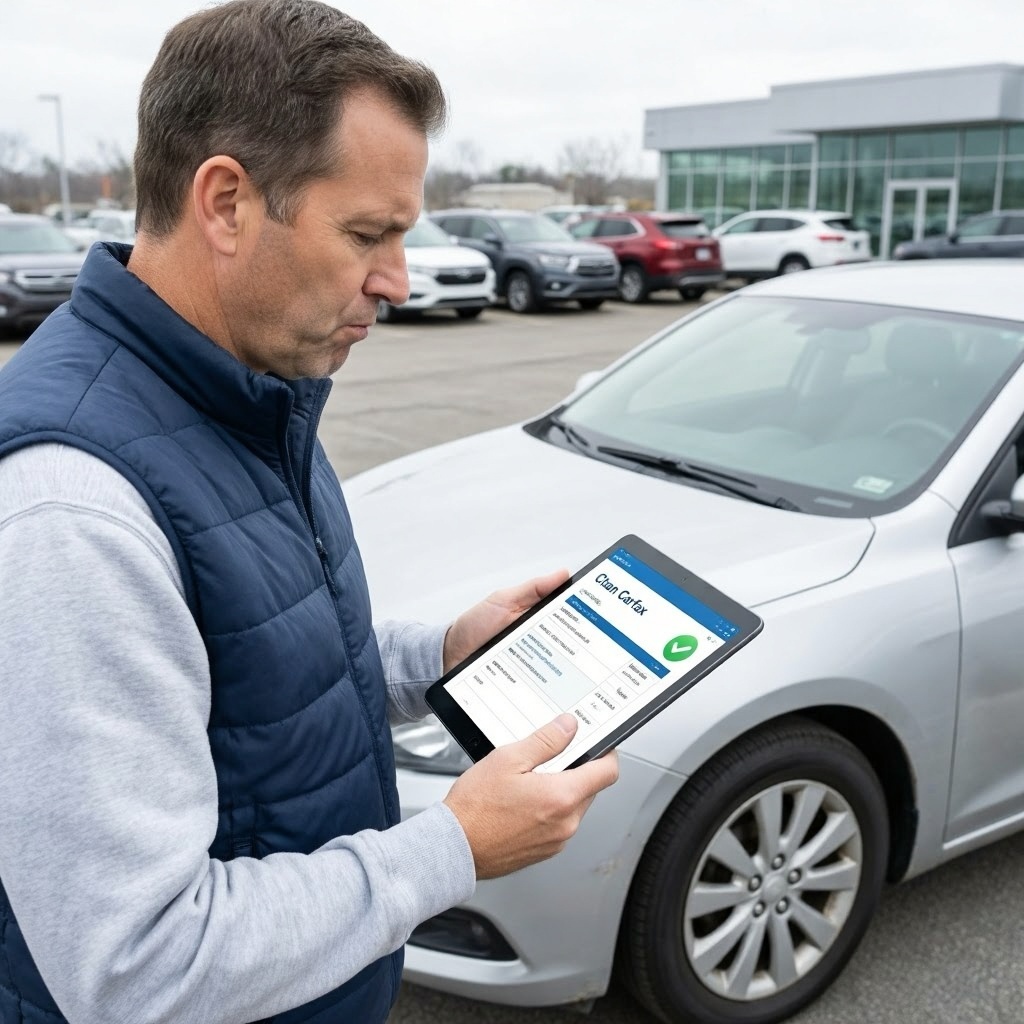
You’re about to spend five figures on a used car. The seller smiles, slides a Carfax report across the table, and says the magic words: “Clean Carfax.” No accidents. No damage. No title issues. You exhale, your guard drops, and suddenly the car feels like a safe bet.
That moment of relaxation? It’s exactly where thousands of used car buyers make their most expensive mistake every year. Not because Carfax is lying to them — but because they misunderstand what a clean report actually proves, and more importantly, what it doesn’t.
Quick Answer: Can You Trust a Clean Carfax?
A clean Carfax report is helpful but not proof that a vehicle is problem-free. It means that no negative events were reported to Carfax’s network of data sources. It does not mean no negative events ever happened. Cash repairs, work at non-reporting shops, private accident settlements, and mechanical issues leave no trace in any vehicle history database. A clean Carfax is a good starting point — never a finish line.
What “Clean Carfax” Actually Means
When sellers or dealers say “clean Carfax,” they’re telling you that the vehicle history report shows no accidents reported, no title brands (salvage, rebuilt, flood, lemon), no odometer discrepancies, and no other negative entries. It sounds definitive. It isn’t.
A Carfax report is built entirely from data that other organizations submit to them. They collect information from over 100,000 sources — insurance companies, state DMVs, dealerships, law enforcement, and auction houses. That’s an impressive network. But it creates an important limitation that most buyers overlook: Carfax can only report what was reported to them.
If an event — an accident, a repair, a flood, mechanical work — never entered any of those formal channels, it won’t appear on the report. The Carfax will look clean. The car might not be.
Why a Clean Carfax Creates False Confidence
The phrase “clean Carfax” has become a sales tool. Dealers put it on windshield stickers. Private sellers lead with it in listings. It’s become shorthand for “this car is safe to buy,” and that’s a dangerous oversimplification.
Here’s the psychological trap: when you see a report with green checkmarks and no red flags, your brain shifts from investigation mode to confirmation mode. You start looking for reasons the car is good instead of looking for reasons it might not be. The report’s clean appearance makes you less likely to spend $200 on an independent inspection — which is exactly when you need one the most.
The cars that burn buyers aren’t usually the ones with messy Carfax reports. Those cars get scrutinized, negotiated down, or walked away from. The ones that cause the most financial pain are the cars with spotless reports hiding damage that was never documented.
What Carfax Does Show (And Does Well)
Before we go further, let’s give credit where it’s due. Carfax provides genuine value in several areas:
- Title history — Salvage brands, rebuilt titles, flood brands, and lemon law buybacks sourced directly from state DMV records. Understanding what a branded title actually means is critical, and Carfax reliably surfaces this information.
- Insurance-reported accidents — When an accident goes through an insurance claim, the data typically reaches Carfax. The severity classification, damage location, and whether airbags deployed are all recorded.
- Odometer readings — Mileage data from service visits, inspections, and registration events creates a timeline that can expose rollbacks or inconsistencies.
- Service records from participating facilities — Franchise dealership maintenance records, recall completions, and warranty repairs are well-documented.
- Ownership timeline — Number of owners, type of use (personal, rental, fleet), and registration history across states.
For the data points they do capture, Carfax is genuinely useful and generally accurate. The problem isn’t what they report — it’s what they can’t.
Hidden Problems That Never Appear on Carfax
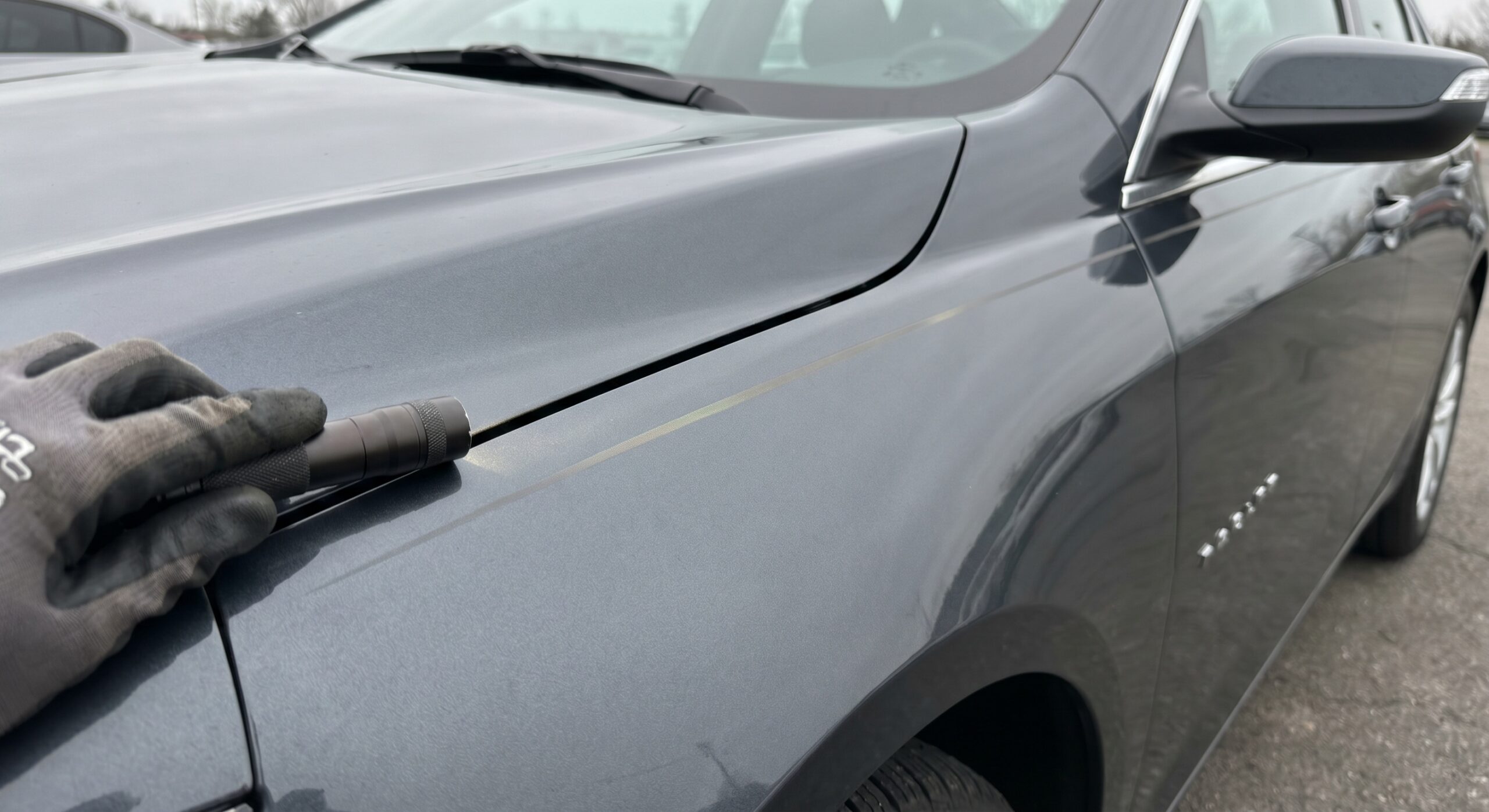
This is the section every used car buyer needs to read carefully. These are the gaps — not flaws in Carfax’s system, but structural limitations of any vehicle history database that relies on voluntary and institutional reporting.
Cash Repairs
When an owner pays out of pocket for accident repair — no insurance claim, no police report — Carfax has no way to know it happened. This is more common than most buyers realize. Someone rear-ends a car in a parking lot, both parties agree to handle it privately, and the repair gets done at a local shop for $3,000 cash. The car is fixed. The Carfax stays clean. The buyer never knows.
Non-Reporting Body Shops
The vast majority of independent body shops don’t share data with Carfax. They have no obligation to, and many actively prefer not to — their customers often specifically choose them because they want repairs done without creating a paper trail. A car could undergo extensive structural repair at a skilled independent shop and emerge looking factory-fresh with absolutely nothing on the Carfax to indicate it happened.
Private Accident Settlements
When two drivers agree to settle an accident between themselves — one writes a check, the other gets their car fixed — no insurance company is involved and no claim is generated. These private settlements completely bypass the reporting system. The accident is real. The damage was real. The repair may or may not have been done properly. But the Carfax? Spotless.
Minor Accidents That Go Unreported
Parking lot scrapes, backing into poles, bumper-to-bumper contact in traffic — these incidents happen constantly and rarely generate insurance claims or police reports. The owners either fix them out of pocket, live with the cosmetic damage, or get them repaired cheaply. None of it reaches Carfax.
Title Washing
Title washing is the practice of moving a vehicle from a state where it carries a title brand (salvage, flood, etc.) to a state with less stringent reporting requirements, effectively “cleaning” the title. While systems like NMVTIS have reduced this practice, gaps in interstate data sharing still exist. A flood-damaged vehicle from Louisiana can sometimes end up with a clean title in a different state — and a Carfax report that doesn’t reflect its true history.
Delayed Reporting
Data doesn’t flow into Carfax in real time. There can be weeks or even months between an event occurring and the information appearing on a report. If you pull a Carfax today, it might not reflect an accident that happened last month. This timing gap creates a window where a car with recent damage can still show a clean report.
Mechanical Issues
Carfax tracks events — not condition. A car with a failing transmission, a leaking head gasket, electrical gremlins, or suspension wear will show none of that on the report. Carfax tells you what happened to the car. It doesn’t tell you how the car is running right now.
Is Carfax Reliable?
Yes — for what it covers. The data that makes it into their system is generally accurate and sourced from legitimate institutions. If Carfax says the car has a salvage title, a reported accident, or an odometer discrepancy, that information is almost certainly correct.
Where Carfax falls short isn’t accuracy — it’s completeness. Their own reports include a disclaimer acknowledging that not all events are reported and that the absence of information doesn’t mean the absence of incidents. It’s the most honest sentence on the entire report, and it’s the one most buyers skip right past.
The question isn’t whether Carfax is reliable. It’s whether you’re using it as one tool among several — or as your only safeguard. If it’s the latter, you’re leaving yourself exposed to exactly the gaps outlined above.
Clean Carfax vs. Reality
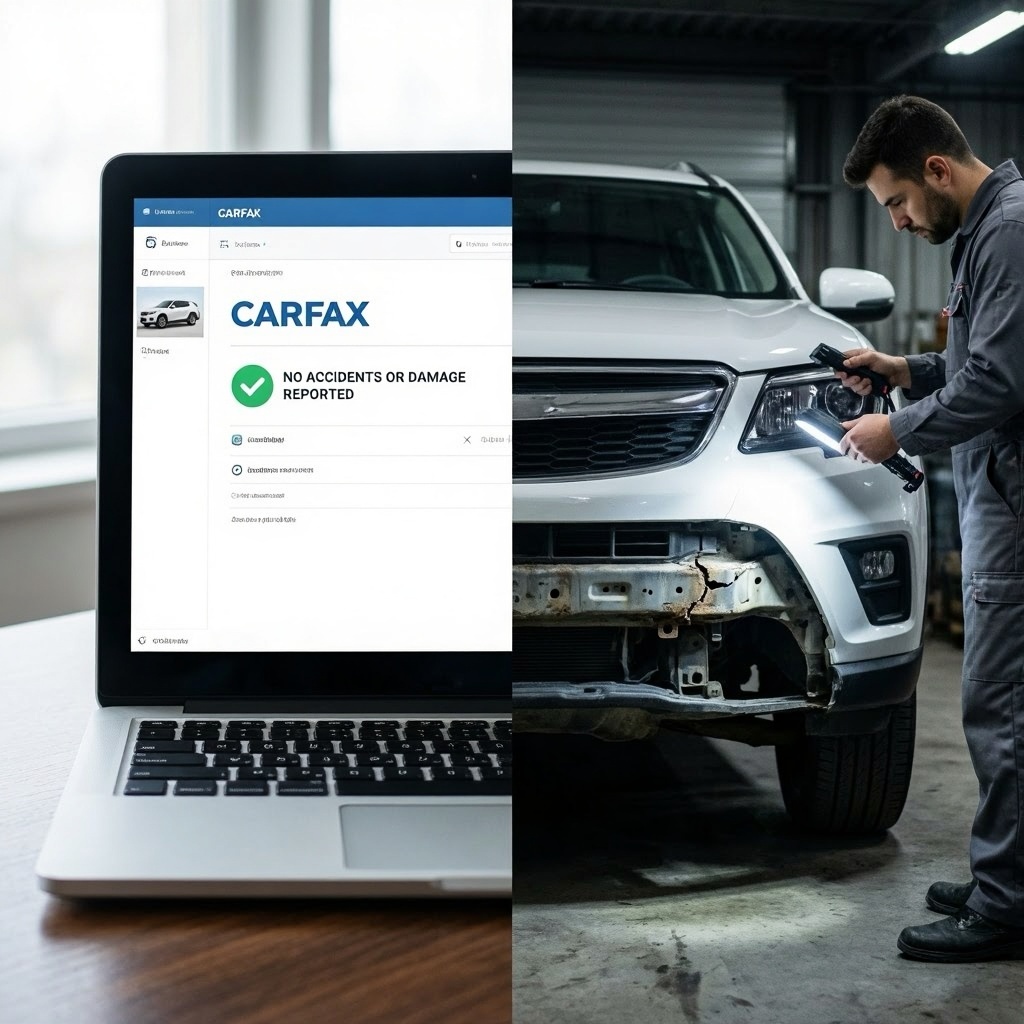
| What “Clean Carfax” Tells You | What Reality Might Look Like |
|---|---|
| No accidents reported | No accidents reported through insurance or police — cash repairs are invisible |
| No title issues | Title is clean in the current state — may have been washed from another state |
| Consistent service records | Service at participating facilities was consistent — independent shop visits don’t appear |
| No damage reported | No damage was reported to Carfax’s sources — damage may exist unreported |
| No odometer issues | Mileage readings at documented checkpoints are consistent — gaps between readings are unknown |
The pattern is clear: every “clean” data point on a Carfax report comes with an asterisk that most buyers never read.
Myth vs. Truth
Myth: Clean Carfax means the car has never been in an accident.
Truth: It means no accident was reported through Carfax’s data sources. Out-of-pocket repairs, private settlements, and work at non-reporting shops create accidents that exist in the real world but not in any database. Knowing how to read a Carfax report beyond the summary helps you understand these limitations — but even a careful reading can’t reveal what was never reported.
Myth: No damage on Carfax means no damage on the car.
Truth: Carfax reports damage that was documented through insurance claims, police reports, or participating repair facilities. Cosmetic damage, dent repairs, repainting, and even significant bodywork done privately or at independent shops leaves no record. A paint thickness gauge tells you more about a car’s body condition in five minutes than a Carfax report ever will.
Myth: If the Carfax is clean, an inspection isn’t necessary.
Truth: A clean Carfax is actually when an inspection matters most. Cars with damage on their reports get scrutinized carefully. Cars with clean reports often skip the inspection step entirely — which is exactly how hidden problems go undetected until the buyer is already committed.
Myth: Carfax catches flood damage.
Truth: Carfax catches flood damage that resulted in a title brand or an insurance total-loss claim. Vehicles with moderate water exposure that were cleaned up and never declared total losses can slip through. After major flooding events, the National Insurance Crime Bureau (NICB) warns that thousands of flood-damaged vehicles re-enter the market with clean-looking histories.
Real-Life Scenarios
Scenario 1: Clean Report, Hidden Damage
A 2020 Toyota Camry with a spotless Carfax — no accidents, two owners, regular dealership service records. The buyer skips the pre-purchase inspection because “the Carfax is clean.” Three months later, a mechanic discovers the entire front clip has been repainted, the radiator support shows signs of previous buckling, and aftermarket headlight assemblies have replaced the originals. The first owner had a significant front-end collision, paid a friend’s body shop $4,500 cash, and never filed a claim. The Carfax had no way to know.
Scenario 2: Reported Accident, Safe Car
A 2019 Honda CR-V with a single “Minor Damage” entry on the Carfax from two years ago. The buyer nearly walks away but decides to investigate. The damage was a low-speed parking lot contact that scuffed the rear bumper cover. It was repaired at a certified collision center using OEM parts, the work is documented, and an independent mechanic confirms the repair is flawless. The buyer negotiates a $1,500 discount for the Carfax entry and drives away with a better deal than the “clean Carfax” car in the next row — which, for all anyone knows, could be hiding far worse.
The irony is real: sometimes the car with the blemish on its report is the safer purchase, because at least you know what you’re dealing with.
Pro Tips: How Smart Buyers Verify Beyond Carfax
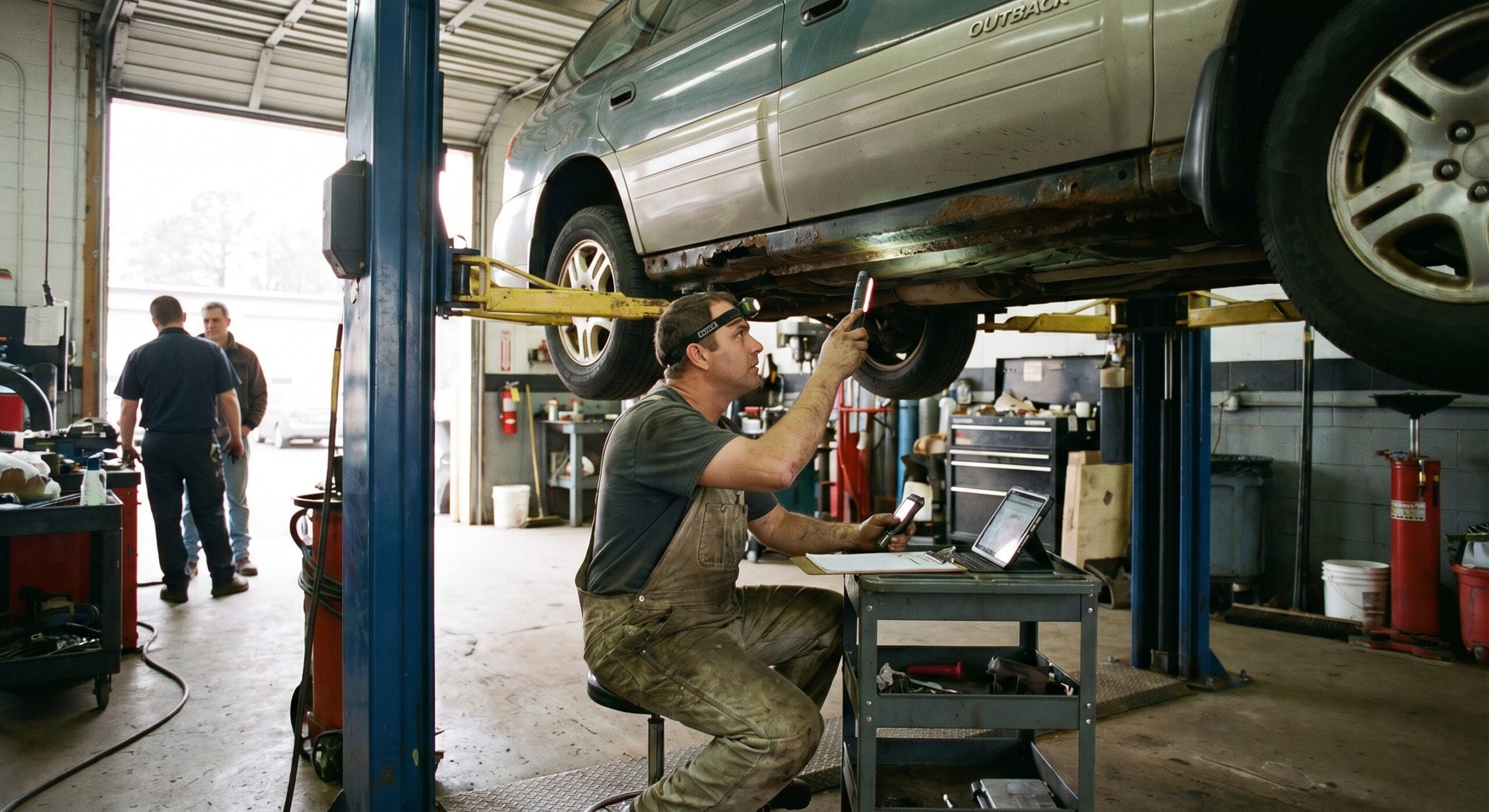
- Always get a pre-purchase inspection. Budget $150 to $300 for an independent mechanic to examine the vehicle on a lift. This single step catches more hidden problems than any vehicle history report ever created. No exceptions — even with a clean Carfax, especially with a clean Carfax.
- Use a paint thickness gauge. For $30 to $50, you can measure paint depth on every panel. Factory paint reads within a consistent range. Significantly higher readings indicate body filler or repaint — evidence of repair work that no database will show you.
- Run the VIN through multiple services. Different providers access different databases. Running the VIN through a VIN check online alongside other services helps cross-reference data and catch discrepancies that a single report might miss.
- Check under the trunk carpet and floor mats. Musty odors, water stains, silt deposits, or rust in these hidden areas are telltale signs of flood damage that was cosmetically cleaned up. A clean Carfax combined with mud residue under the spare tire well is a story that doesn’t add up.
- Ask the seller direct questions and watch their reaction. “Has this car ever been in any kind of accident?” “Has any body panel been repainted?” “Has any repair work been done that isn’t on the vehicle history report?” A transparent seller answers without hesitation. Evasiveness or discomfort tells you more than the Carfax does.
- Look at the VIN plate and door jamb stickers. Mismatched VIN labels, replaced stickers, or paint overspray on door jamb edges indicate body work — often significant body work — that someone didn’t want documented.
The Bottom Line
Can you trust a clean Carfax? You can trust that the data it contains is accurate. You can trust that the sources feeding information into their system are legitimate. You can trust that no reported accidents, title brands, or odometer issues appeared in their database.
What you can’t trust is that the absence of bad news means the absence of bad history. A clean Carfax is evidence that nothing negative was documented — not evidence that nothing negative occurred. That distinction isn’t a technicality. For too many buyers, it’s the difference between a solid purchase and a costly regret.
Use the Carfax report. Read it carefully. Appreciate what it tells you. Then do what no report can do for you: put the car on a lift, check the paint, ask the hard questions, and verify with your own eyes. Before spending on a full report, it’s worth exploring what’s actually free when it comes to vehicle history checks. The buyers who combine digital records with physical verification are the ones who don’t end up writing cautionary tales for articles like this one.