
You found a used car. You want to check its history. You search “free Carfax report” and get a page full of results promising exactly what you’re looking for. Before you click any of them, read this — because what you’re about to find isn’t what you expect, and the wrong click could cost you more than the report you were trying to avoid paying for.
Quick Answer: Can You Get a Carfax Report for Free?
No, you cannot get a full Carfax report for free. However, you can access similar vehicle history data through alternative VIN check services or dealer-provided reports.
Not directly from Carfax. Carfax charges $44.99 for a single report and $99.99 for an unlimited plan. There is no legitimate way to generate a free Carfax-branded report on your own. However, there are indirect ways to access Carfax data without paying — and there are alternative VIN check services that provide comparable vehicle history information at a fraction of the cost or for free.
Why “Free Carfax Report” Is the Most Searched — and Most Misunderstood — Term in Used Car Buying
Millions of people search for free Carfax reports every month. The intent makes perfect sense: you’re about to spend thousands of dollars on a car, and the idea of paying $45 just to check whether you should spend that money feels backwards. You want the information before you commit — not an additional expense before you’ve even decided.
The problem is that “free Carfax report” has become its own little industry. Dozens of websites promise free access, use Carfax’s brand name to attract clicks, and then deliver something very different from what you expected — limited data, bait-and-switch upsells, or in some cases, completely fabricated information. Understanding what Carfax actually charges and what you get at each price point helps you evaluate whether the alternatives are genuinely saving you money or just giving you less.
Legitimate Ways to Access Carfax Data Without Paying
Before you write off the idea entirely, there are a few real ways to access Carfax reports without paying out of pocket:
1. Ask the Dealer
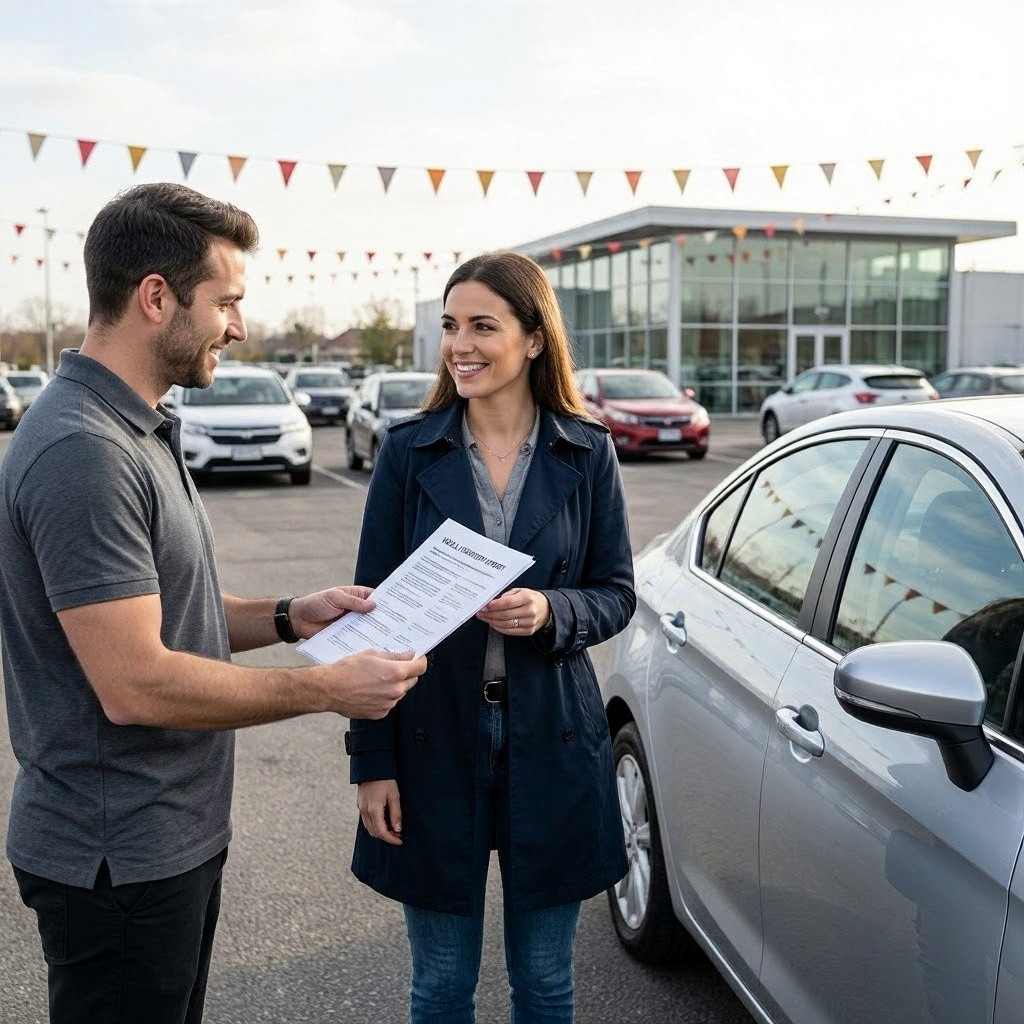
Many dealerships — especially franchise dealers and larger used car operations — provide free Carfax reports for vehicles on their lot. They purchase bulk access through Carfax’s dealer program and offer reports as a sales tool. If you’re buying from a dealer, ask for the Carfax before negotiating. Most will provide it without hesitation.
One caveat: dealers sometimes cherry-pick which report to show. Some vehicles may look better on Carfax than on AutoCheck, or vice versa. The free report is valuable, but pulling your own independent check is still worth considering.
2. Check the Listing
Online marketplaces like Cars.com, Autotrader, and some dealer websites embed Carfax data directly in their listings. You won’t get the full downloadable report, but you’ll see the key data points — accidents, title status, ownership count, and service records. For initial screening, this is often enough to decide if a vehicle warrants deeper investigation.
3. Carfax’s Own Free Tools
Carfax offers some limited free information on their website. You can check for open recalls by VIN at no cost. Their used car listing platform also provides snapshot-level Carfax data on vehicles listed through their marketplace. It’s not a full report, but it’s legitimate and free.
4. Library Access
Some public libraries provide free access to vehicle history databases through their reference services. This varies by library system and isn’t widely available, but it’s worth checking — especially at larger metropolitan libraries that subscribe to research databases.
The Risks of “Free Carfax” Websites
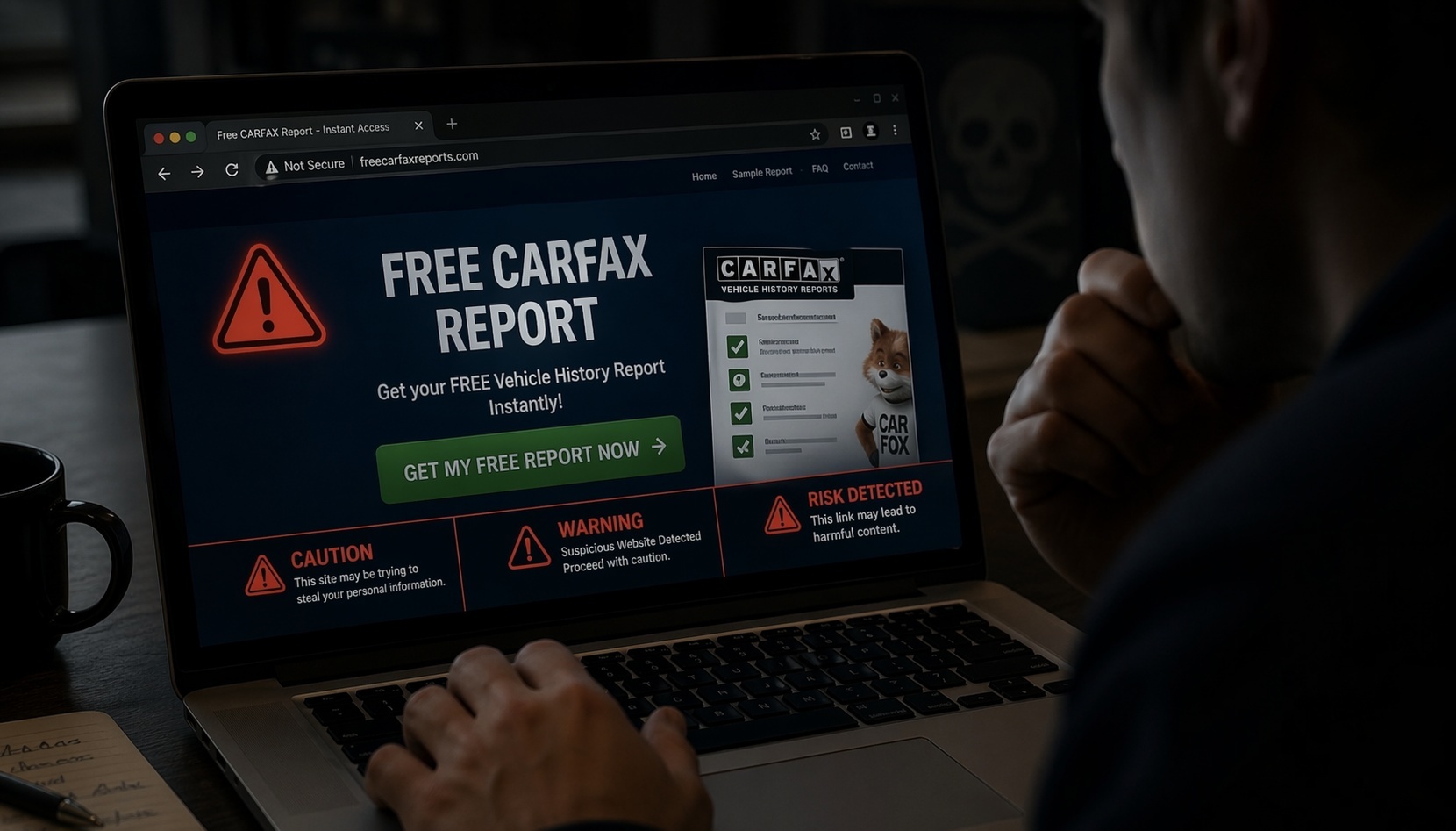
Here’s where the search for “free” can actually cost you. The internet is full of sites that use Carfax’s name to attract traffic and then deliver one of these:
- Bait-and-switch pages — They promise a free report, ask you to enter a VIN, and then hit you with a payment wall after you’ve invested time and provided personal information.
- Incomplete data disguised as full reports — Some sites provide basic VIN decoding (manufacturer, model year, engine size) and present it as a “vehicle history report.” This is publicly available information that tells you nothing about accidents, titles, or ownership.
- Phishing and data harvesting — Some “free report” sites exist solely to collect your personal information — name, email, phone number, credit card — for resale or fraud.
- Outdated or fabricated data — The worst offenders generate reports with incomplete, outdated, or entirely made-up information. A buyer who trusts a fake “clean” report and skips further verification can end up with a salvage-titled, flood-damaged, or accident-heavy vehicle.
The irony is brutal: trying to save $45 on a legitimate report can lead you to a site that either wastes your time, compromises your data, or gives you false confidence about a vehicle you’re about to spend $20,000 on.
Smarter Alternatives: What Actually Works
If paying $44.99 for a single Carfax report feels steep — and for buyers checking multiple vehicles, it genuinely is — there are legitimate alternatives that deliver real vehicle history data at lower cost.
NMVTIS-Based Providers
The National Motor Vehicle Title Information System (NMVTIS) is a federal database maintained by the Department of Justice. Approved providers can sell NMVTIS reports for as little as $2–$10. These reports cover the most critical red flags — title brands (salvage, flood, junk), total loss records, and odometer readings. They won’t include service records or detailed accident narratives, but they catch the deal-breakers.
Multi-Source VIN Check Services
Services like CarfaxVINLookup.com aggregate data from multiple sources — including NMVTIS, insurance databases, and government records — to provide comprehensive vehicle history checks at a fraction of the Carfax price. These platforms don’t carry the Carfax brand name, but they access many of the same underlying databases and often surface information that a single-source report misses.
For buyers who want thorough VIN checks without paying premium prices for each one, this approach delivers the best balance of coverage, cost, and convenience. You get the data that actually matters — title status, accident history, odometer verification — without the brand markup. You can explore free vehicle history options and start screening candidates before committing to a premium report.
The Layered Approach
The most cost-effective strategy combines multiple sources:
- Step 1: Use a free VIN decoder to verify basic specs and catch obvious mismatches
- Step 2: Run an affordable multi-source VIN check for comprehensive history data
- Step 3: Check NICB’s free VINCheck tool for theft and salvage records
- Step 4: Pull a Carfax report only on your final candidate — the one you’re seriously considering purchasing
This approach lets you screen multiple vehicles cheaply, eliminate the obvious problems early, and reserve the premium report spend for the car you’re actually about to buy. You end up with more data across more vehicles for less money than buying individual Carfax reports for each one.
Carfax vs. Alternative VIN Check Services
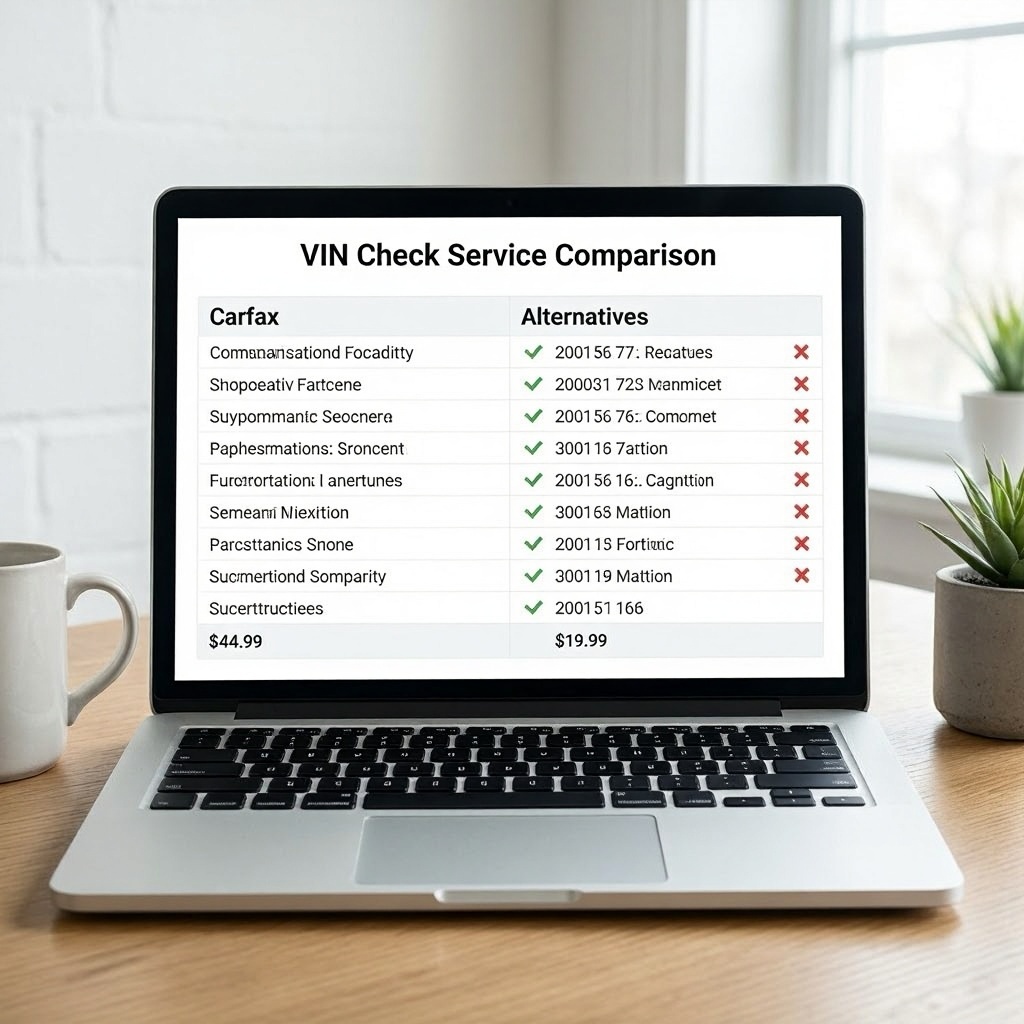
| Feature | Carfax ($44.99) | Affordable VIN Check Services | Free Tools (NICB, Recalls) |
|---|---|---|---|
| Title status | Yes | Yes | Limited (NICB covers salvage/theft) |
| Accident history | Detailed (severity, location) | Yes (varies by provider) | No |
| Odometer verification | Yes | Yes | No |
| Service records | Strong (dealership partnerships) | Limited | No |
| Recall information | Yes | Some providers | Yes (NHTSA tool) |
| Buyback guarantee | Yes (title brands only) | No | No |
| Cost per check | $44.99 | $2–$15 | Free |
| Best for | Final candidate — deep dive | Screening multiple vehicles | Quick initial checks |
What Any Report Shows — and What Every Report Misses
Whether you pay $45 or $5, every vehicle history report shares the same fundamental limitation: it can only show events that were formally reported. Understanding why some accidents never appear on any vehicle history report explains the single biggest risk in used car buying.
Events that bypass the reporting system entirely include:
- Cash repairs with no insurance claim
- Work at independent shops that don’t share data
- Private settlements between drivers
- Flood damage that didn’t trigger a title brand
- Mechanical issues that don’t create formal records
Neither a $45 Carfax report nor a free VIN check will show you these. That’s why the smart money goes toward a $200 pre-purchase inspection by an independent mechanic — the one step that catches what no database can.
Myth vs. Truth
Myth: You can get a complete Carfax report for free online.
Truth: Any site offering “free Carfax reports” is either providing non-Carfax data under a misleading name, offering only basic VIN decoding, or running a bait-and-switch. Full Carfax reports require payment — either directly or through a dealer who has already paid for bulk access.
Myth: If you can’t afford a Carfax, you should just skip the VIN check.
Truth: Affordable alternatives that cost $5–$15 cover the most critical data points — title brands, accidents, odometer flags. Skipping the VIN check entirely because you can’t afford the premium option is like skipping the doctor because you can’t afford a specialist. The basic check still catches most serious problems.
Myth: Carfax has more data than anyone else, so cheaper services are useless.
Truth: Carfax leads in dealership service records and insurance accident detail. But other services access databases Carfax doesn’t — including certain auction records, financial lien data, and state records from different reporting networks. Knowing where Carfax excels and where it has blind spots helps you decide whether the premium is justified for your situation.
Myth: A clean report — from any service — means the car is safe to buy.
Truth: A clean report from any provider means nothing negative was formally reported. It doesn’t mean nothing negative happened. Cash repairs, unreported accidents, and hidden mechanical issues exist regardless of which database you check. Physical inspection is the only way to verify what reports can’t show.
Pro Tips: How Experienced Buyers Save Money on VIN Checks
- Use dealer-provided reports first. If a dealer offers a free Carfax, take it. Then run an independent VIN check through a different provider to cross-reference. Two data sources for the cost of one.
- Screen with cheap services, deep-dive with Carfax. Check five vehicles with a $10 service. Spend $45 on a Carfax only for the one you’re about to buy. Total cost: $95 for six vehicles checked, instead of $270 for six individual Carfax reports.
- Never skip the physical inspection to save money. A $200 independent inspection protects a $20,000 purchase. The math isn’t even close. Every dollar you save on reports should be redirected toward hands-on verification.
- Check NHTSA for free recalls. Open safety recalls are free to check and don’t require any paid service. Enter the VIN at NHTSA.gov and know immediately if the vehicle has unresolved safety issues.
- Read the report — don’t just skim the summary. Whether you paid $45 or $5, the value of any vehicle history report depends entirely on how carefully you analyze it. Learning how to read a vehicle history report properly turns a few pages of data into actionable intelligence that directly affects your negotiating position and purchase decision.
The Bottom Line
A free Carfax report — as in a full, legitimate, Carfax-branded report that you generate for free — doesn’t exist. Anyone telling you otherwise is either misleading you, selling something different, or harvesting your personal information.
But here’s the good news: you don’t need a $45 Carfax report on every vehicle you’re considering. Affordable alternatives cover the critical checkpoints — title brands, accident records, odometer readings — at a price that makes it practical to check five or ten vehicles instead of just one. Combine that with a free dealer-provided report on your top pick, a hands-on inspection by a qualified mechanic, and your own visual evaluation, and you’ve built a verification system that’s more thorough than a Carfax alone — at a fraction of the total cost.
The goal was never really “free.” The goal was smart — getting the right information, from the right sources, at the right price, before you sign anything. That’s achievable, and it doesn’t require a single sketchy “free report” website.