You found a used car you’re interested in. You know you should run a Carfax before buying. You go to the website, enter the VIN, and then — $44.99 for a single report?
If that number caught you off guard, you’re not alone. Most first-time buyers are surprised by how much Carfax charges, especially when they’re checking multiple vehicles before making a decision. Paying $45 per car when you’re looking at five or six options adds up fast.
So what are your actual options? What does Carfax cost, what do you get for the price, and are there smarter ways to access the same critical information without spending a fortune?
Quick Answer: How Much Does a Carfax Report Cost?
A single Carfax report costs $44.99. Carfax also offers a multi-report package: 3 reports for $99.99 and an unlimited reports plan for $99.99 per month (pricing may vary slightly based on promotions). The unlimited plan is designed for buyers actively shopping who want to check multiple vehicles within a 30-day window.
There’s no free Carfax report available directly from their website for consumers. However, many dealerships purchase Carfax reports in bulk and provide them to customers free of charge as part of their sales process.
Carfax Pricing Breakdown
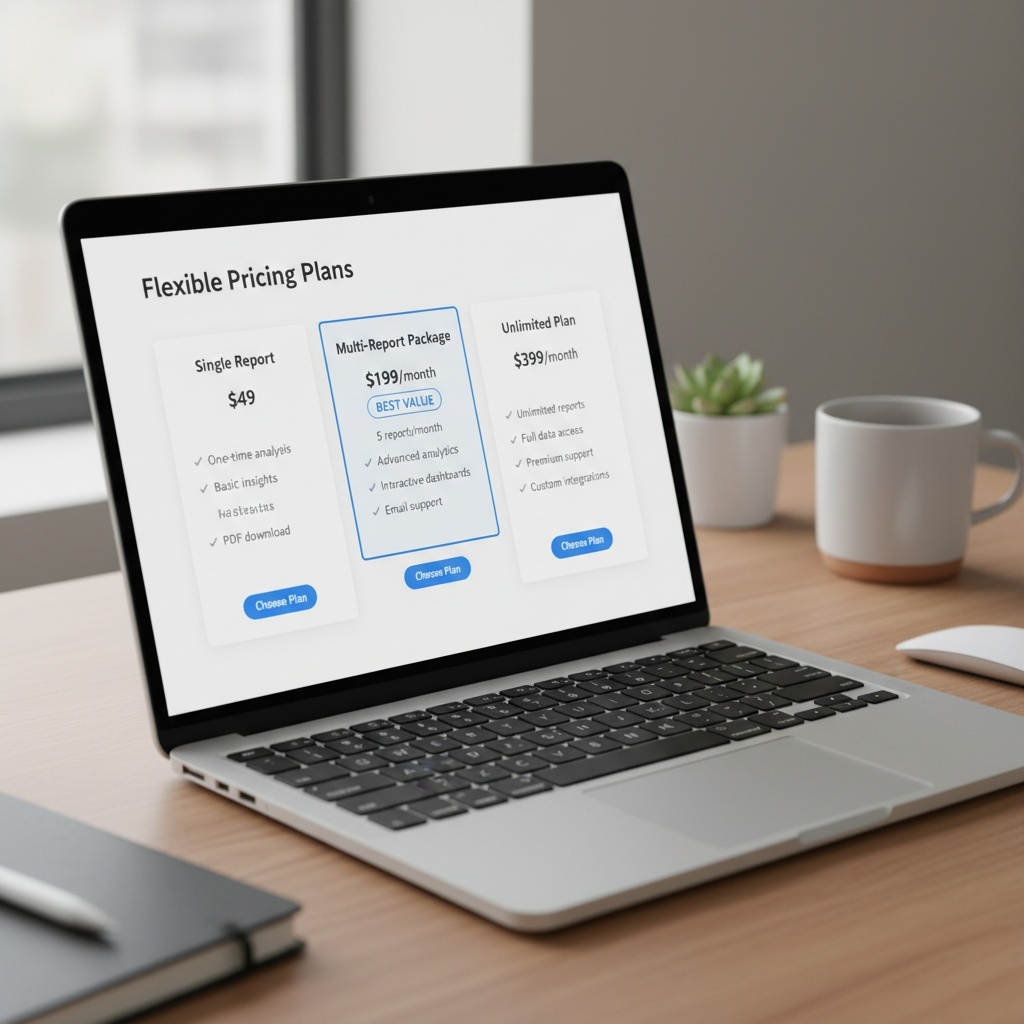
| Plan | Price | Cost Per Report | Best For |
|---|---|---|---|
| Single Report | $44.99 | $44.99 | Checking one specific vehicle |
| 3-Report Package | $99.99 | ~$33.33 | Buyers narrowing down 2–3 options |
| Unlimited Reports (30 days) | $99.99/month | Varies (as low as $2–5 per report) | Active shoppers checking many vehicles |
The math is pretty clear: if you’re only checking one car, you’re paying full price. If you’re checking three or more, the unlimited plan becomes the better value — assuming you do all your shopping within that 30-day window.
What Do You Get for $44.99?
A Carfax report pulls data from over 100,000 sources to compile the vehicle’s history. For that price, you receive:
- Accident history — Any collisions reported through insurance claims, police reports, or participating repair facilities
- Title information — Current title status and any brand history (salvage, rebuilt, flood, lemon)
- Odometer readings — Mileage checkpoints from DMV records, service visits, and inspections
- Ownership history — Number of previous owners and duration of each ownership period
- Service records — Maintenance and repair history from participating dealerships and shops
- Recall status — Open recalls from NHTSA and whether they’ve been completed
- Usage history — Rental, fleet, commercial, or personal use indicators
- Carfax Buyback Guarantee — Limited protection against certain defects in the report
That’s a substantial amount of information, and for buyers making a high-stakes purchase, the report can absolutely be worth the investment. The question isn’t whether Carfax provides value — it’s whether you need to pay their premium price to access similar data. Understanding what Carfax gets right and what it misses helps you decide when it’s truly worth the spend.
Why Is Carfax So Expensive?
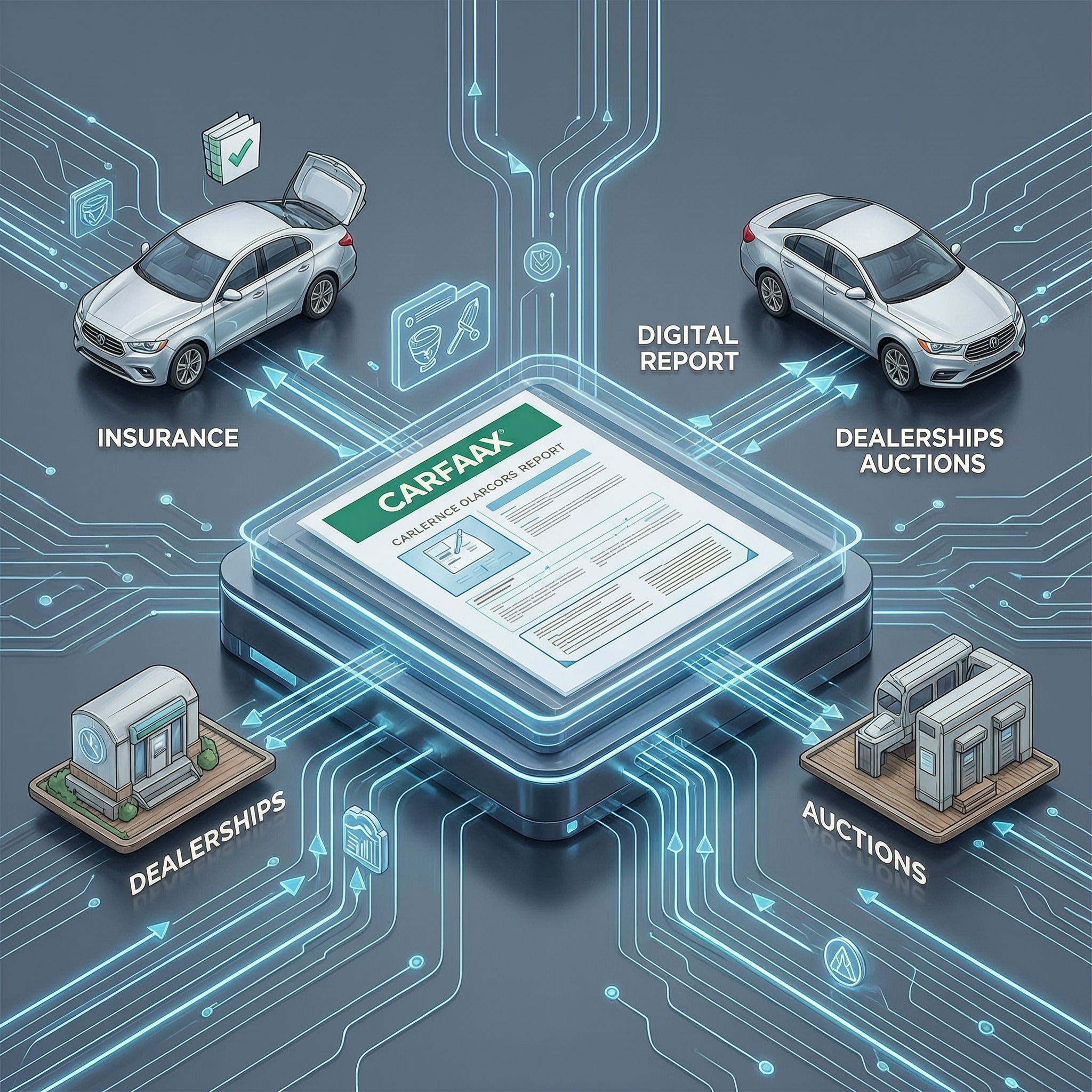
Carfax’s pricing reflects several factors that go beyond just generating a PDF:
Decades of Data Partnerships
Carfax has spent 40+ years building data-sharing agreements with insurance companies, DMVs, dealerships, and government agencies. Those relationships are expensive to maintain and represent a significant competitive moat. You’re paying for access to a network that took decades to assemble.
Brand Premium
Carfax is the most recognized name in vehicle history reports. When someone says “run a Carfax,” they’re using the brand name generically — like saying “Google it.” That brand recognition commands a premium, regardless of whether the underlying data is meaningfully different from competitors.
Consumer Trust
People trust Carfax because it’s what they know. Dealerships use it. Buyers ask for it by name. That trust has real value, and Carfax prices accordingly. Whether that trust premium is worth $45 per report is a personal calculation.
The Buyback Guarantee
Carfax includes a Buyback Guarantee with their reports, offering to buy back a vehicle if the report missed a severe issue like a salvage title. This protection has terms and conditions, but it provides a layer of assurance that cheaper alternatives typically don’t match.
Is a Carfax Report Worth the Price?
Honestly? It depends on the situation.
It’s Worth It When:
- You’re about to spend $15,000+ on a vehicle and need maximum confidence
- The car is from a private seller with no warranty or return policy
- You’ve narrowed your search to one or two final candidates
- The dealer isn’t providing a free Carfax (many do — always ask first)
- The vehicle has characteristics that raise concern — unusually low price, out-of-state title, multiple owners
It May Not Be Worth It When:
- You’re in the early browsing phase and checking dozens of vehicles
- The dealer already provides a free Carfax with the listing
- You can access similar data through more affordable alternatives
- You’re buying a low-value vehicle where $45 represents a significant percentage of the purchase price
The key insight is this: you don’t always need to pay premium Carfax prices to access essential vehicle history data. The same VIN databases that feed Carfax also feed other services, and some of those services are a fraction of the cost. Before spending anything, it helps to know where Carfax actually gets its information so you can judge whether paying the premium is justified.
Cheaper Alternatives to Carfax
The vehicle history report market has expanded significantly, and Carfax is no longer the only option for buyers who want reliable data.
Budget-Friendly VIN Check Services
You don’t always need to pay full Carfax price to get the information that matters. Some platforms provide access to vehicle history data — title status, accident records, ownership history, and odometer checks — at a much lower cost. For example, you can get a detailed report for around $5 using a low-cost VIN check service, which is a fraction of the standard Carfax price while still covering the essentials most buyers need.
AutoCheck (by Experian)
AutoCheck is Carfax’s closest direct competitor. Powered by Experian’s data network, it accesses different databases and sometimes catches information Carfax doesn’t — and vice versa. AutoCheck reports are typically cheaper than Carfax, and they include a vehicle score that provides a quick snapshot of the car’s relative risk. For a detailed breakdown of how competing services stack up, this Bumper vs. Carfax comparison covers the key differences buyers should know.
NMVTIS Providers
The National Motor Vehicle Title Information System is a federal database that tracks title brands, salvage history, and odometer data. Reports from NMVTIS-approved providers cost as little as $2–$5 and cover the most critical red flags — salvage titles, flood damage brands, and junk designations.
Free Resources
Several useful checks cost nothing at all:
- NHTSA Recall Check — Free VIN lookup shows open safety recalls
- NICB VINCheck — Free theft and salvage/total loss verification
- iSeeCars / VINDecoderz — Free VIN decoding and basic vehicle specs
These free tools don’t replace a full vehicle history report, but they cover specific critical checks that complement paid services.
Carfax vs. Affordable Alternatives
| Feature | Carfax ($44.99) | Budget VIN Services (~$5) | Free Tools ($0) |
|---|---|---|---|
| Title History | Comprehensive | Good coverage | Basic (NICB only) |
| Accident Data | Detailed (insurance-backed) | Available (varies by provider) | Not available |
| Service Records | Detailed (dealer network) | Limited | Not available |
| Odometer Check | Multi-source verification | Available | Not available |
| Recall Info | Included | Sometimes included | Free via NHTSA |
| Buyback Guarantee | Yes | No | No |
| Best For | Final purchase decisions | Screening multiple vehicles | Quick spot checks |
How to Get a Free Carfax Report
Before paying anything, try these approaches:
- Ask the dealer. Many dealerships subscribe to Carfax and provide free reports to potential buyers. If you’re at a lot, simply ask — most will hand you a printout or email a link without hesitation.
- Check the listing. Some online listings on platforms like Cars.com, AutoTrader, and dealer websites include a free Carfax link directly in the vehicle listing. Look before you pay separately.
- Ask the seller. Private sellers sometimes have a Carfax they pulled when they purchased the car. It may not be current, but it provides historical data you can verify.
- Check your car insurance provider. Some insurance companies offer free or discounted vehicle history reports as a policyholder benefit. It’s worth checking before paying out of pocket.
- Library access. Some public libraries offer free access to vehicle history databases. It’s uncommon but worth checking with your local library.
Myth vs. Truth
Myth: A Carfax report is the only reliable way to check a vehicle’s history.
Truth: Carfax is one of several legitimate vehicle history services. Competitors like AutoCheck, NMVTIS-based providers, and platforms like CarfaxVINLookup.com access overlapping databases and can provide comparable core information at significantly lower prices.
Myth: Expensive reports are always more accurate than cheaper ones.
Truth: Price doesn’t determine accuracy. All vehicle history services — regardless of cost — are limited by what’s reported to their databases. A $5 report that covers title status, accident history, and odometer checks may be just as accurate as a $45 report for the data points it includes. Keep in mind that even the most expensive report won’t show repairs done at independent body shops, which is a gap shared by all VIN check services.
Myth: You should buy a Carfax for every car you look at.
Truth: That’s an expensive screening strategy. Use free tools and affordable VIN checks for initial filtering, then invest in a premium report only for your top one or two candidates. This layered approach saves money without sacrificing the information you need.
Myth: Carfax is free if you know where to look online.
Truth: Websites claiming to offer “free Carfax reports” are almost always misleading — they either provide a different service, show limited data, or are running a bait-and-switch. Legitimate free access comes through dealers, listing platforms, and the occasional insurer perk. For a full breakdown of what’s real and what isn’t, this guide on how to get a carfax report for free separates fact from fiction.
Pro Tips for Saving Money on Vehicle History Checks
- Start with free tools. Run the VIN through NHTSA for recalls and NICB for theft/salvage records. These two free checks catch the most catastrophic red flags before you spend a dime.
- Use affordable services for screening. When you’re checking five or ten cars, use a low-cost VIN check tool like CarfaxVINLookup.com to screen for issues at a fraction of Carfax’s price. Save the premium report for your finalists.
- Always ask the dealer first. Dealers have Carfax subscriptions and will often share reports for free. Never pay for a report the dealer would have given you.
- Time your Carfax purchase strategically. If you do buy from Carfax, choose the unlimited plan only when you’re actively shopping and can check all your options within the 30-day window. Don’t buy it and then wait three weeks to start looking.
- Remember: no report replaces an inspection. Whether you spend $5 or $45 on a vehicle history check, you still need a $150–$300 pre-purchase inspection from an independent mechanic. That’s where the real protection lives.
Frequently Asked Questions
How much does a single Carfax report cost?
A single Carfax report costs $44.99. This gives you a one-time report for one specific VIN.
Does Carfax offer a multi-report discount?
Yes. Carfax offers a 3-report package for $99.99 (approximately $33.33 per report) and an unlimited reports plan for $99.99 per month, which covers as many VIN checks as you need within a 30-day period.
Can I get a Carfax report for free?
Not directly from Carfax as a consumer. However, many dealerships provide free Carfax reports on their listed vehicles, and some online car listings include a free Carfax link. Always ask the dealer before paying on your own.
Are cheaper alternatives to Carfax reliable?
Yes — many affordable VIN check services pull from legitimate databases including NMVTIS, insurance records, and government sources. While they may not include every feature Carfax offers (like the Buyback Guarantee), the core data — title status, accident history, odometer checks — is reliable and covers the most important information buyers need.
Is the Carfax unlimited plan worth it?
If you’re actively shopping and plan to check more than three vehicles within a month, the unlimited plan is the best value Carfax offers. At $99.99 for 30 days, checking ten vehicles brings your per-report cost down to about $10 — much more reasonable than the single-report price.
Why do some websites claim to offer free Carfax reports?
Most of these sites don’t actually provide Carfax reports. They typically offer their own vehicle data (sometimes useful, sometimes not) and use the “Carfax” keyword to attract traffic. Always verify what service you’re actually getting before entering personal information.
Should I pay for Carfax or use a cheaper VIN check?
Use a tiered approach. Screen multiple vehicles with an affordable service like CarfaxVINLookup.com, then consider a full Carfax report for your top candidate if you need detailed dealership service records or the Buyback Guarantee. This strategy gives you maximum coverage at the lowest total cost.
The Bottom Line
A Carfax report costs $44.99 for a single report, with multi-report packages available for active shoppers. It’s a premium-priced service with genuinely useful data — but it’s not the only way to access vehicle history information. And remember: even a seemingly clean report has limitations that no price point can overcome.
Smart buyers save money by using a layered approach: free tools for initial checks, affordable VIN services like CarfaxVINLookup.com for detailed screening at a fraction of the cost, and premium reports only when the purchase decision demands maximum detail. Combine any report with a professional pre-purchase inspection, and you’ve built a verification system that protects you without breaking the bank.
The goal isn’t to spend as much as possible on reports — it’s to spend smart and get the information that actually matters before you sign.