
Millions of people pull Carfax reports every year before buying a used car. They check for accidents, title problems, and service records — and they make purchasing decisions worth thousands of dollars based on what they find.
But have you ever stopped to ask: where does all that information actually come from? Who’s feeding data into Carfax? How does it get there? And — maybe more importantly — what data is Carfax not getting?
Because once you understand the plumbing behind the report, you’ll understand both why it’s useful and why it’s not the whole story.
Quick Answer: Where Does Carfax Get Its Information?
Carfax collects vehicle history data from over 100,000 sources, including insurance companies, state DMVs, police departments, auto dealerships, service facilities, auction houses, fleet and rental companies, and government agencies. These sources report events like accidents, title changes, odometer readings, service visits, and ownership transfers. Carfax aggregates this data by VIN (Vehicle Identification Number) and compiles it into a single report.
That’s the high-level answer. The details matter a lot more — especially the sources that don’t report to Carfax.
The Major Data Sources Behind Every Carfax Report
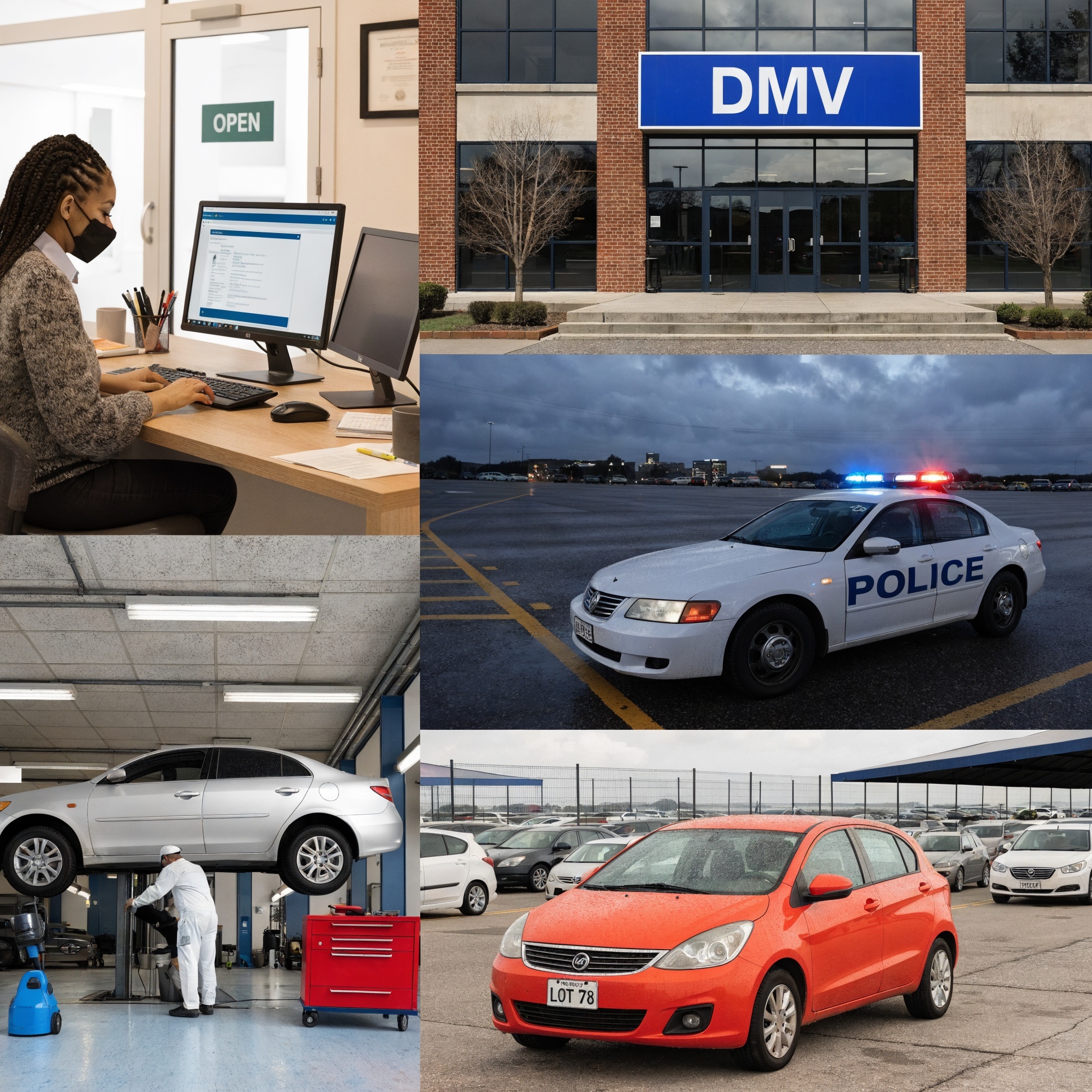
Carfax doesn’t inspect vehicles. They don’t send people to look at cars. They’re a data aggregation company — their entire business model is built on collecting information from other organizations and compiling it into one place. Here’s exactly who feeds them data and what kind.
1. Insurance Companies
This is the single largest and most important source of accident data on Carfax reports. When you file an auto insurance claim after a collision, your insurance carrier processes it and records the details — what happened, where damage occurred, the severity, and the payout amount.
That claim information flows into industry databases like ISO ClaimSearch, which aggregates insurance claim data across hundreds of carriers. Carfax has data-sharing agreements with these databases, giving them access to collision records from virtually every major insurance company in the country.
This is why insurance-reported accidents almost always show up on Carfax. It’s the most reliable pipeline in the entire system.
2. State DMVs and Title Records
Every state’s Department of Motor Vehicles (or equivalent agency) maintains records on vehicle titles, registration, and ownership. Carfax pulls data from these agencies to track:
- Title transfers between owners
- Title brands — salvage, rebuilt, flood, lemon, junk
- State of registration and registration history
- Odometer readings recorded at title transfer
- Lien information in some states
DMV data is critical because it captures the legal status of a vehicle. If a car was ever declared a total loss and given a salvage title, that information comes from state records. The same goes for flood-damaged vehicles and lemon law buybacks.
However, not all states share data at the same speed or with the same level of detail. Some states update Carfax’s database regularly; others may have delays of weeks or months. This timing gap is one of the known limitations of the system.
3. Police and Accident Reports
When law enforcement responds to a vehicle collision and files a report, that record can eventually flow into Carfax’s database. Police reports provide details about the accident — location, vehicles involved, description of damage, and sometimes fault determination.
The catch: not every police department shares data with Carfax. Coverage varies significantly by jurisdiction. Large metropolitan departments and state highway patrols tend to report consistently. Smaller local departments may not participate at all.
Also worth noting — police only file reports when they respond to an incident. Fender benders where both drivers exchange information and leave without calling police create no record in this system.
4. Dealership Service Departments
Many franchise dealerships participate in Carfax’s service reporting program. When you take your car to a Toyota, Honda, Ford, or other brand dealership for maintenance or repair, the service department often reports the work performed to Carfax.
This is where the detailed service history on Carfax reports comes from — oil changes, brake jobs, tire rotations, recall repairs, and warranty work. It’s also why vehicles serviced exclusively at dealerships tend to have the most complete Carfax records.
The flip side: if the owner used independent mechanics for all their service needs, those visits generally won’t appear. The car’s mechanical history could look sparse on Carfax even if it was religiously maintained.
5. Auto Auction Houses
Wholesale auction companies like Manheim, ADESA, and numerous regional auction houses report vehicle condition and transaction data to Carfax. When a car passes through auction, any damage noted during the inspection, the sale price (in some cases), and the transaction itself get recorded.
This is useful information because it tells you a vehicle went through wholesale channels — meaning it was likely sold from one dealer to another or came from a fleet or rental company. Auction data also sometimes catches damage that neither insurance companies nor police recorded, because auction inspectors physically examine every vehicle.
6. Fleet and Rental Companies
Enterprise, Hertz, Avis, and other rental and fleet operators report vehicle data to Carfax. This includes registration as a rental or fleet vehicle, maintenance performed during fleet service, and any damage or incidents recorded during the vehicle’s commercial use.
When you see “Rental Use” or “Fleet Vehicle” on a Carfax report, this data source is responsible. It helps buyers understand the vehicle’s usage context — a car driven by hundreds of different rental customers has lived a different life than a one-owner commuter vehicle.
7. Government Agencies and Safety Organizations
Federal and state agencies contribute data about safety recalls, emissions inspections, and regulatory compliance. The National Highway Traffic Safety Administration (NHTSA) provides recall information that appears on Carfax reports, showing which recalls were issued for the vehicle and whether they’ve been completed.
State inspection programs — both safety and emissions — also feed data into the system. If your state requires annual inspections, the pass/fail results and odometer readings recorded at inspection time can appear on the Carfax report.
8. Canadian Sources
For vehicles that have been registered or serviced in Canada, Carfax pulls data from Canadian insurance companies, provincial motor vehicle registries, and Canadian auction facilities. This cross-border data is particularly valuable for vehicles imported from Canada, which is common in the used car market.
Where Carfax Does NOT Get Data From
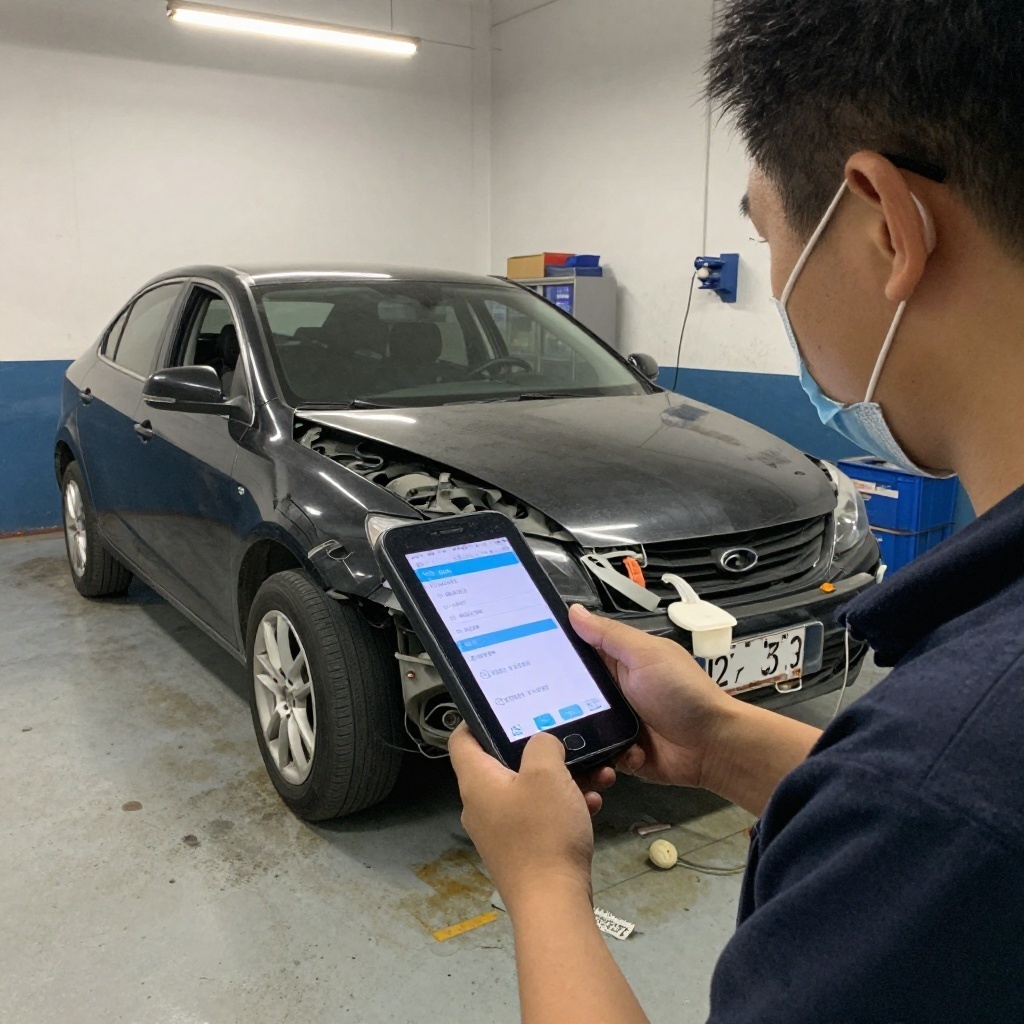
This is arguably the most important section of this article. Understanding the gaps in Carfax’s data network is just as critical as understanding what it captures.
Independent Body Shops
The vast majority of independent collision repair shops — the ones lining commercial streets in every city — have no data-sharing relationship with Carfax. There is no legal requirement for them to report repairs. A car can be completely rebuilt at an independent shop after a significant accident, and Carfax will never know it happened.
Independent Mechanics and Service Shops
Similarly, independent mechanics who perform oil changes, brake jobs, transmission repairs, and other maintenance work almost never report to Carfax. If a vehicle was maintained exclusively at independent shops, its service history on Carfax may appear incomplete or nonexistent — even if the car was impeccably maintained.
Out-of-Pocket (Cash) Repairs
When a car owner pays for accident repair without filing an insurance claim, the entire incident bypasses Carfax’s primary data pipeline. No claim means no insurance record, and if no police report was filed and the repair shop doesn’t report, the event is invisible to the system.
This happens more often than most people think. Owners regularly pay out of pocket for moderate damage to avoid insurance premium increases. The repair gets done, the car looks perfect, and the Carfax stays clean.
Private-Party Incidents Without Police Involvement
Two cars bump in a parking lot. The drivers exchange info, one pays the other $500, and they go their separate ways. No police. No insurance. No record. Carfax captures nothing.
Mobile Repair Services
Paintless dent removal companies, mobile detailing services, windshield repair vans, and other mobile operators perform legitimate repair work that never enters any reporting database. A car could have significant hail damage professionally removed by a mobile PDR technician, and the Carfax would show nothing.
Is Carfax Reliable?
This is a nuanced question, and it deserves a nuanced answer.
Carfax is reliable for what it reports. The data that makes it into their system — insurance claims, DMV title records, dealership service history, auction records — is generally accurate and verified through established reporting channels. If Carfax says the car has a salvage title, it has a salvage title. If it says an accident was reported, an accident was reported.
Carfax is NOT reliable as a complete record of everything that’s happened to a vehicle. Their own reports include a disclaimer stating that not all events are reported and that the absence of information doesn’t mean the absence of incidents. It’s a disclosure most buyers glance past, but it’s the most honest thing on the entire report.
Think of Carfax like a medical records system that only captures hospital visits. If you broke your arm and went to the ER, it shows up. If you treated a sprained ankle at home, it doesn’t. The records are accurate for what they contain — but they don’t contain everything.
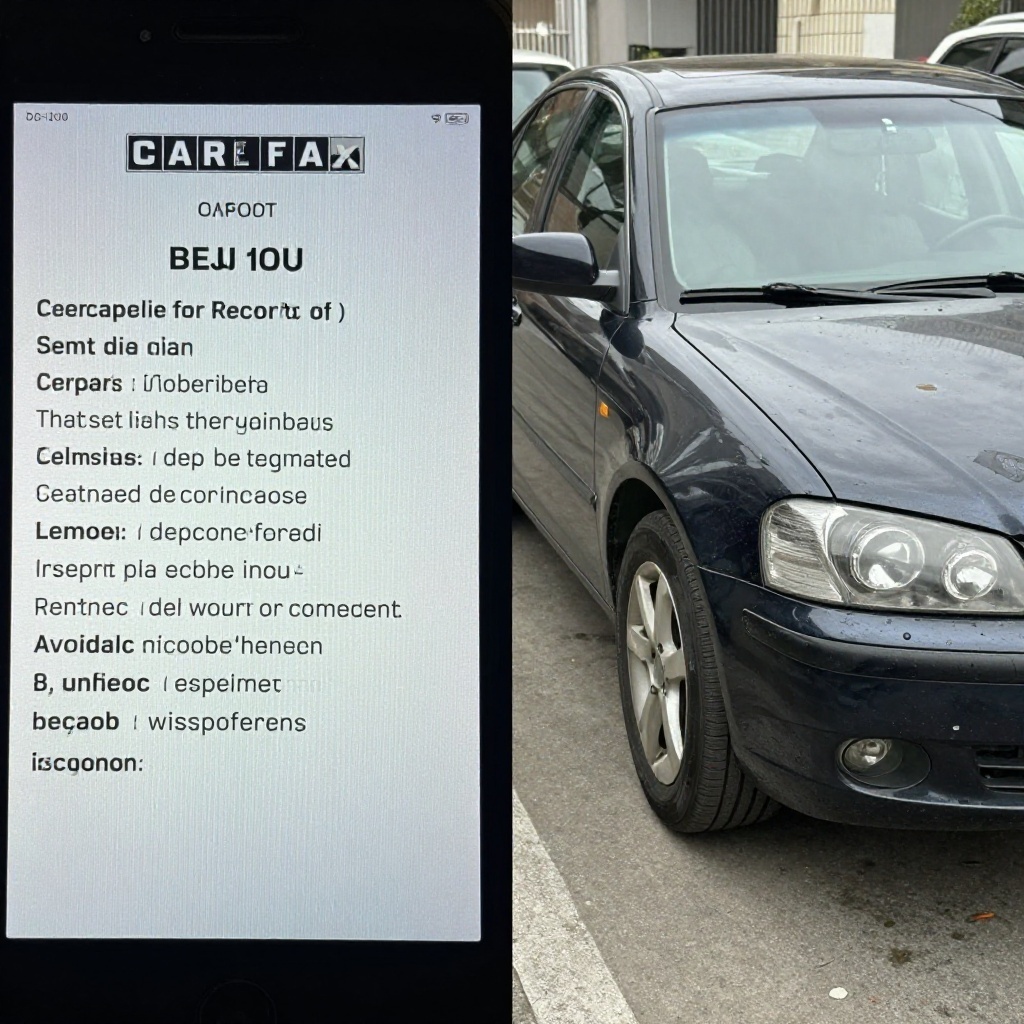
Carfax Data Coverage vs. Real-World Events
| Event Type | Carfax Coverage | Real-World Occurrence |
|---|---|---|
| Insurance-reported accident | Very high — almost always captured | Captured if claim was filed |
| Out-of-pocket collision repair | Very low — rarely captured | Common, especially for moderate damage |
| Title brand (salvage/rebuilt) | Very high — from state DMVs | Mostly captured, but title washing exists |
| Dealership service history | High — most franchise dealers report | Only captures dealer visits, not indie shops |
| Independent shop repairs | Very low — most don’t report | Extremely common across vehicle lifespan |
| Police accident report | Moderate — varies by jurisdiction | Only if police responded to the scene |
| Odometer readings | High — from DMV, inspections, service | Captured at specific touchpoints only |
| Flood damage | Moderate — depends on title branding | Title washing can obscure flood history |
This table reveals the core truth about Carfax: it excels at capturing events that pass through formal channels (insurance, government, dealerships) and struggles with everything that happens informally (cash repairs, independent shops, unreported incidents).
Myth vs. Truth
Myth: Carfax knows about every accident a car has been in.
Truth: Carfax only knows about accidents reported through their data sources — primarily insurance claims and police reports. An accident handled privately with cash payment and no police involvement will never appear on a Carfax report. Understanding what damage flags on a report actually mean helps put this in perspective.
Myth: If Carfax doesn’t have service records, the car wasn’t maintained.
Truth: Many responsible car owners use independent mechanics who don’t report to Carfax. A vehicle with a sparse service history on Carfax may have been meticulously maintained — just not at a participating facility.
Myth: Carfax inspects every vehicle.
Truth: Carfax never physically inspects any vehicle. They are purely a data aggregation company. Every piece of information on a Carfax report was submitted by someone else — an insurance company, a DMV, a dealership, or another reporting entity.
Myth: All vehicle history reports use the same data.
Truth: Different providers — Carfax, AutoCheck, NMVTIS-based services, and others — access different databases and have different data-sharing agreements. If you’re wondering how these services stack up against each other, the differences are more significant than most buyers realize. This is why running a VIN through multiple services, like CarfaxVINLookup.com, can surface information that a single report misses.
Pro Tips: How to Uncover What Carfax Doesn’t Show
- Cross-reference with multiple VIN check services. A comprehensive vehicle history service lets you access reports that may pull from databases Carfax alone doesn’t cover. Different providers catch different events — the overlap is where confidence lives.
- Check NICB’s free VINCheck tool. The National Insurance Crime Bureau offers a free tool that checks for theft and salvage records specifically. It’s a quick secondary verification that complements Carfax data.
- Request service records from the seller. Paper receipts, digital maintenance logs, and shop invoices fill in the gaps that Carfax can’t. Sellers who maintained their vehicles at independent shops should have records even if those records didn’t make it to Carfax.
- Use a paint thickness gauge on every panel. This $30–$50 tool tells you instantly whether a panel has been repainted — information no database in the world can provide. If three panels read 250+ microns on a “clean Carfax” car, someone repaired damage that was never reported.
- Get a pre-purchase inspection from an independent mechanic. This single step catches more problems than any amount of online research. A mechanic on a lift looking at the undercarriage will spot frame repairs, welding, rust, leaks, and structural issues that no report covers.
- Search NHTSA for recalls tied to the VIN. While Carfax shows some recall data, checking directly with NHTSA ensures you have the most current recall status, including any recently issued recalls that might not have reached Carfax’s system yet.
Frequently Asked Questions
Where does Carfax get its accident data?
Primarily from insurance companies. When a collision claim is filed and processed, the insurance carrier reports it to industry databases that Carfax accesses. Police accident reports and some participating repair facilities also contribute accident data.
Does Carfax get information from all repair shops?
No. Carfax receives service and repair data mainly from franchise dealerships and some larger chains that voluntarily participate in data-sharing programs. The vast majority of independent mechanics and body shops do not report to Carfax.
How does Carfax know the odometer reading?
Odometer readings are captured from multiple sources: state DMV records during title transfers, service facilities that record mileage during visits, emissions and safety inspection stations, and auction houses that document mileage at point of sale.
Is Carfax data always accurate?
The data Carfax receives from its sources is generally accurate, but it’s only as reliable as what’s reported. Carfax itself doesn’t verify or inspect vehicles. Errors can occur from data entry mistakes at reporting facilities, delays in data transmission, or incomplete reporting from some sources.
Can Carfax miss a serious accident?
Yes. If an accident was not reported to insurance, no police report was filed, and the repair was done at a non-participating shop, Carfax will have no record of it — regardless of how severe the accident was.
Does Carfax get data from other countries?
Carfax has data-sharing agreements with Canadian sources, including provincial motor vehicle agencies, Canadian insurance companies, and Canadian auction facilities. For vehicles from other countries, coverage is limited or nonexistent.
How often does Carfax update its database?
Carfax receives data on an ongoing basis, but the speed varies by source. Insurance claims and dealership service records may appear within days to weeks. DMV title records can take weeks to months depending on the state. There is no single, universal update frequency.
The Bigger Picture
Carfax has built a genuinely impressive data network. Over 100,000 sources feeding into a single VIN-based system is a remarkable achievement, and it provides information that would be impossible for individual buyers to collect on their own. That’s real value.
But the system has structural blind spots — independent shops, cash repairs, unreported incidents, timing delays — that every buyer should understand. Knowing where the data comes from means knowing where it doesn’t come from, and that knowledge is what separates a well-informed buyer from one who gets surprised.
Before your next purchase, run a thorough VIN check at CarfaxVINLookup.com to see what’s been reported — and if you want to start without spending, learn about smarter ways to check a VIN for free first. Then do what no database can do for you: look at the car with your own eyes, bring a paint gauge, and have a mechanic put it on a lift. The combination of digital records and physical verification is the only way to get the full picture — and it’s the approach that protects you every time.